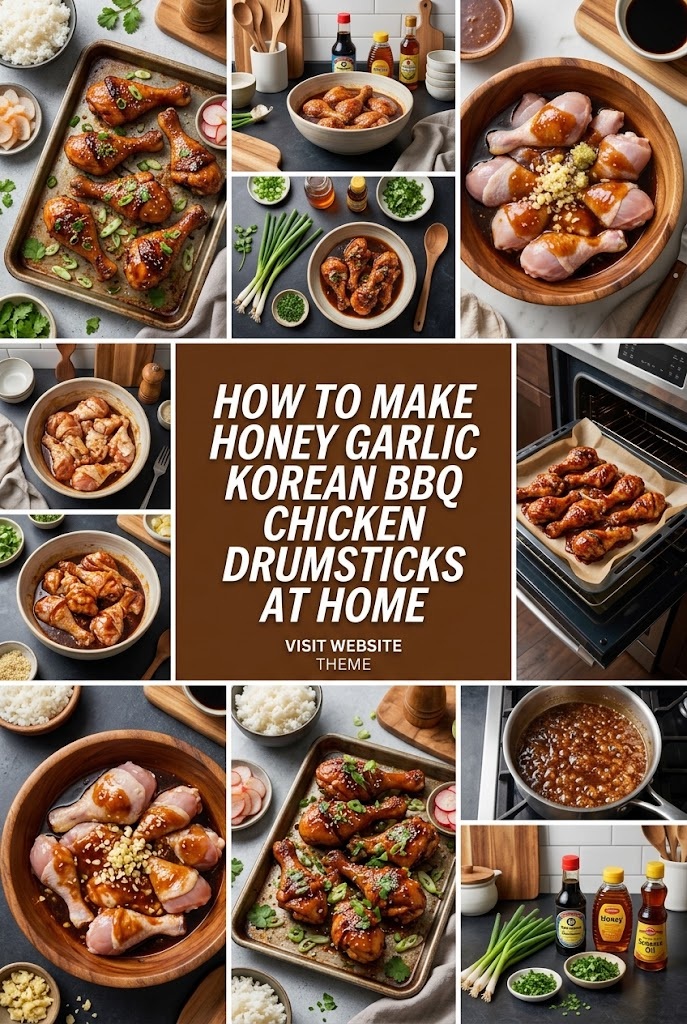
How to Make honey garlic korean bbq chicken drumsticks at Home
The culinary world has seen a massive surge in the popularity of Korean flavors, and for a good reason. The balance of sweet, spicy, salty, and umami is a hallmark of Korean cuisine that appeals to almost every palate. Among the most beloved dishes is the iconic Korean BBQ chicken. While many are familiar with the standard fried chicken wings found in bustling Seoul night markets, the Honey Garlic Korean BBQ Chicken Drumstick offers a heartier, juicier, and more accessible way to bring those vibrant flavors into your home kitchen.
In this comprehensive guide, we will dive deep into the art of making the perfect drumstick—one that boasts a shatteringly crispy exterior, succulent meat, and a glaze so addictive you’ll want to put it on everything. Whether you are an experienced home cook or a beginner looking to impress at your next gathering, this article will provide every detail you need to master this dish.
The Flavor Profile: Why Honey Garlic Korean BBQ Works
To understand why this dish is so successful, we must look at the science of flavor. Korean BBQ typically relies on a combination of fermented pastes, aromatics, and sweeteners.
- The Umami Base: Soy sauce and fermented soy paste (in some variations) provide the salty, savory depth.
- The Heat: Gochugaru (Korean chili flakes) or Gochujang (chili paste) adds a complex heat that isn’t just sharp—it’s smoky and slightly sweet.
- The Sweetener: Honey is the star here. Unlike granulated sugar, honey provides a floral note and a viscous texture that helps the sauce cling to the chicken. It also aids in caramelization.
- The Aromatic Punch: Garlic is used in abundance. In Korean cooking, garlic isn’t just a seasoning; it’s a primary flavor component. When cooked in the sauce, it mellows into a savory, buttery undertone.
Selecting the Right Chicken: Why Drumsticks?
While wings are the traditional choice for Korean fried chicken, drumsticks are the unsung heroes of the BBQ world.
- Moisture Content: Drumsticks are dark meat, meaning they have a higher fat content and more connective tissue than chicken breasts. This allows them to remain incredibly juicy even when subjected to high-heat roasting or frying.
- Affordability: Drumsticks are often one of the most budget-friendly cuts of meat available at the grocery store.
- Presentation: A platter of glistening, glazed drumsticks is visually striking and perfect for family-style serving.
When shopping, look for “air-chilled” chicken if possible. Air-chilled chicken has not been soaked in water during processing, meaning the skin is drier and will crisp up much better than standard chicken.
The Secret to the Crunch: Science of the Coating
One of the biggest challenges home cooks face is achieving that signature “crunch” without a commercial deep fryer. The secret lies in a combination of two things: moisture control and starch.
The Flour vs. Starch Debate
In Western fried chicken, all-purpose flour is the standard. However, for Korean-style chicken, cornstarch or potato starch is the preferred choice. Starch creates a thinner, more brittle, and crispier crust that doesn’t get as soggy once the sauce is applied.
The “Baking Powder” Trick
If you are baking your drumsticks instead of frying them, adding a small amount of aluminum-free baking powder to your dry rub is a game-changer. The baking powder raises the pH level of the skin, breaking down the proteins and creating tiny carbon dioxide bubbles. These bubbles increase the surface area of the skin, resulting in a texture that mimics deep-fried chicken.
Ingredients You’ll Need
For the Chicken Preparation:
- 3 lbs Chicken Drumsticks: Skin-on is non-negotiable for texture.
- 1/2 cup Cornstarch or Potato Starch: For the coating.
- 1 tsp Baking Powder: (If oven-baking) to ensure maximum crispiness.
- 1 tsp Salt and 1 tsp Black Pepper: Basic seasoning.
- 1 tsp Garlic Powder: To build layers of garlic flavor.
For the Honey Garlic Korean BBQ Sauce:
- 1/2 cup Honey: Use a high-quality, liquid honey.
- 1/4 cup Soy Sauce: Preferably a Korean brand like Sempio for authenticity.
- 6-8 Cloves of Garlic: Finely minced or pressed.
- 1 tbsp Fresh Ginger: Grated (this adds a necessary bright note).
- 1 tbsp Gochujang: Korean red chili paste. You can add more if you like it spicy.
- 1 tbsp Rice Vinegar: To provide acidity and balance the sweetness.
- 1 tsp Toasted Sesame Oil: For that nutty, smoky aroma.
For the Garnish:
- Toasted Sesame Seeds: For a professional finish.
- Sliced Green Onions: For freshness and color.
- Red Chili Slices: Optional, for an extra kick.
Step-by-Step Instructions: The Oven-Baked Method
While deep frying is traditional, oven-baking is healthier and much easier for home cooks. Here is how to achieve professional results in your oven.
Step 1: Prep the Chicken
Start by patting the drumsticks completely dry with paper towels. Any moisture on the skin will turn into steam in the oven, preventing the skin from getting crispy. Once dry, place the chicken in a large bowl.
Step 2: The Dry Coating
Mix your cornstarch, baking powder, salt, pepper, and garlic powder in a small bowl. Dredge each drumstick in the mixture until lightly coated. Shake off any excess; a thick layer of starch will result in a chalky texture.
Step 3: The First Bake
Preheat your oven to 425°F (220°C). Place a wire rack over a large baking sheet. This allows hot air to circulate under the chicken, ensuring the bottom gets as crispy as the top. Arrange the drumsticks on the rack, ensuring they aren’t touching.
Bake for 35-45 minutes. Halfway through, flip the drumsticks to ensure even browning. You are looking for a deep golden-brown color and a skin that feels hard to the touch.
Step 4: Making the Glaze
While the chicken is baking, prepare the sauce. In a small saucepan over medium heat, combine the honey, soy sauce, minced garlic, grated ginger, gochujang, and rice vinegar.
Bring the mixture to a gentle simmer. Let it bubble for 5-7 minutes, stirring occasionally, until it thickens into a syrupy consistency. Once thickened, remove from heat and stir in the sesame oil. The sauce should be glossy and coat the back of a spoon.
Step 5: The Glazing Process
Once the chicken is fully cooked and crispy, remove it from the oven. Using a pastry brush, generously coat each drumstick with the warm honey garlic sauce. Alternatively, you can toss the drumsticks in a large bowl with the sauce.
Pro Tip: For an extra-sticky glaze that “sets,” return the glazed chicken to the oven for an additional 3-5 minutes. Watch closely to ensure the honey doesn’t burn!
Alternative Cooking Method: The Air Fryer
The air fryer is perhaps the best tool for this recipe if you are cooking a smaller batch (6-8 drumsticks).
- Preheat: Set your air fryer to 400°F.
- Coat: Follow the same dry-coating process as the oven method.
- Cook: Spray the air fryer basket lightly with oil. Place drumsticks in a single layer. Cook for 25-30 minutes, flipping halfway through.
- Glaze: Remove the chicken once it reaches an internal temperature of 165°F and the skin is crispy. Toss in the sauce and serve.
Mastering the Korean Pantry: Key Ingredients Explained
To truly excel at Korean BBQ at home, it helps to understand the ingredients that define the cuisine.
Gochujang (Korean Red Chili Paste)
This is a thick, fermented condiment made from red chili powder, glutinous rice, fermented soybeans, and salt. It is spicy, but it also has a deep, funky sweetness from the fermentation process. It is the “soul” of Korean BBQ sauce.
Toasted Sesame Oil
Unlike standard vegetable oils, toasted sesame oil is used as a finishing oil. It has a very low smoke point and a powerful aroma. Always add it at the end of the cooking process to preserve its flavor.
Rice Vinegar
This is milder and sweeter than white vinegar or apple cider vinegar. It provides the “tang” that cuts through the richness of the honey and the chicken fat.
Common Mistakes and How to Avoid Them
Even with a simple recipe, things can go wrong. Here are the most frequent pitfalls:
- Soggy Skin: This usually happens because the chicken wasn’t dried properly before coating, or the oven temperature was too low. Ensure your oven is fully preheated to at least 425°F.
- Burnt Garlic: Garlic burns very easily, especially when minced fine. When making the sauce, keep the heat at a medium simmer. If the garlic turns black, the sauce will be bitter and you’ll need to start over.
- Sauce is Too Thin: If your sauce is watery, it won’t stick to the chicken. Continue simmering the sauce until the water content evaporates and the sugars in the honey begin to thicken.
- Crowding the Pan: If the drumsticks are touching each other on the baking sheet, they will steam instead of roast. Use two pans if necessary.
What to Serve with Korean BBQ Chicken
This dish is very rich, so it pairs best with sides that offer acidity, crunch, and freshness.
- Kimchi: The fermented cabbage provides a spicy, sour contrast that cleanses the palate between bites of sweet chicken.
- Pickled Radish (Mu-saengchae): In Korea, fried chicken is almost always served with cubes of pickled white radish. The cold, crunchy, sweet-and-sour cubes are the perfect foil for hot BBQ chicken.
- Steamed Jasmine Rice: A simple bowl of rice helps soak up any extra honey garlic sauce.
- Korean Coleslaw: A mix of shredded cabbage, carrots, and a light dressing of sesame oil, rice vinegar, and a touch of sugar.
- Cucumber Salad (Oi Muchim): Thinly sliced cucumbers tossed in chili flakes, garlic, and vinegar.
Dietary Variations
Gluten-Free Version
To make this dish gluten-free, substitute the soy sauce with Tamari or coconut aminos. Also, ensure your Gochujang is labeled gluten-free, as some brands use wheat or barley malt during fermentation.
Spicy Level Adjustments
- Mild: Omit the Gochujang and add a teaspoon of smoked paprika for color and depth without the heat.
- Extra Hot: Add 1-2 teaspoons of Gochugaru (red chili flakes) to the sauce or a squeeze of Sriracha.
Keto/Low-Carb Version
Substitute the honey with a keto-friendly sweetener like allulose (which caramelizes similarly to sugar) or liquid monk fruit. Use almond flour or crushed pork rinds instead of cornstarch for the coating, though keep in mind the texture will be different.
The Cultural Significance of “Chimeak”
In South Korea, there is a popular cultural phenomenon known as Chimeak—a portmanteau of “Chicken” and “Maekju” (the Korean word for beer). It refers to the pairing of fried/BBQ chicken with ice-cold lager.
This combination became a staple of Korean social life in the 1970s and 80s and has since spread worldwide. Making these honey garlic drumsticks at home isn’t just about the food; it’s about recreating that social, celebratory atmosphere. If you’re serving this for guests, a cold Korean lager or a light pilsner is the traditional drink of choice.
Storage and Reheating Tips
Can you make these ahead of time?
For the best experience, these should be eaten fresh. However, if you have leftovers:
- Storage: Store in an airtight container in the refrigerator for up to 3 days.
- Reheating: Do not use the microwave! A microwave will make the skin rubbery and the sauce soggy. Instead, reheat in an oven or air fryer at 350°F for 5-10 minutes until the skin crisps back up and the meat is warmed through.
Frequently Asked Questions (FAQ)
1. Can I use chicken thighs instead of drumsticks?
Absolutely. Bone-in, skin-on thighs work beautifully with this recipe. They may require an extra 5-10 minutes of cooking time depending on their size.
2. Is Gochujang mandatory?
While it provides the authentic “Korean BBQ” flavor, if you absolutely cannot find it, you can substitute it with a mixture of Sriracha and a little bit of miso paste to mimic the spice and fermentation.
3. Why is my sauce too salty?
The saltiness usually comes from the soy sauce. Different brands have different sodium levels. If your sauce is too salty, add a tablespoon of water or an extra squeeze of honey to balance it out.
4. How do I know when the drumsticks are done?
The safest way to check is with an instant-read meat thermometer. Chicken is safe to eat at 165°F (74°C). However, for drumsticks, many chefs prefer cooking them to 175°F-185°F. Because they are dark meat, this higher temperature allows the collagen to break down further, making the meat “fall-off-the-bone” tender.
5. Can I grill these?
Yes! To grill, cook the drumsticks over medium-indirect heat until they are mostly done. Only apply the honey garlic glaze in the last 5 minutes of grilling. Because honey has a high sugar content, it will burn almost instantly over direct flames.
Pro-Level Customizations
If you want to take your Honey Garlic Korean BBQ Chicken Drumsticks to the “Master Chef” level, consider these additions:
- Garlic Chips: Slicing garlic thinly and frying it in a little oil until crispy creates “chips” you can sprinkle over the finished chicken for added texture.
- Lemon Zest: A bit of fresh lemon zest grated over the top right before serving cuts through the sweetness and adds a gourmet touch.
- Double-Fry Method: If you choose to deep fry, fry the chicken once at a lower temperature (325°F) to cook it through, let it rest, and then fry it again at a higher temperature (375°F) for 2 minutes. This is the secret to the world-famous “shatter-crisp” Korean chicken skin.
Conclusion: Bringing the Soul of Seoul to Your Kitchen
Mastering Honey Garlic Korean BBQ Chicken Drumsticks is about more than just following a recipe; it’s about understanding the balance of ingredients and the importance of texture. By focusing on drying the chicken properly, using the right starch, and allowing your sauce to thicken into a luxurious glaze, you can create a meal that rivals any high-end Korean restaurant.
This dish is a testament to how simple ingredients—honey, garlic, soy, and chicken—can be transformed through technique into something truly extraordinary. Whether it’s for a busy weeknight dinner or a weekend celebration, these drumsticks are guaranteed to become a staple in your culinary repertoire.
Gather your ingredients, preheat your oven, and get ready to experience the perfect harmony of sweet, savory, and crispy. Your kitchen is about to smell incredible, and your taste buds are in for a treat. Enjoy the process, and most importantly, enjoy the Chimeak!