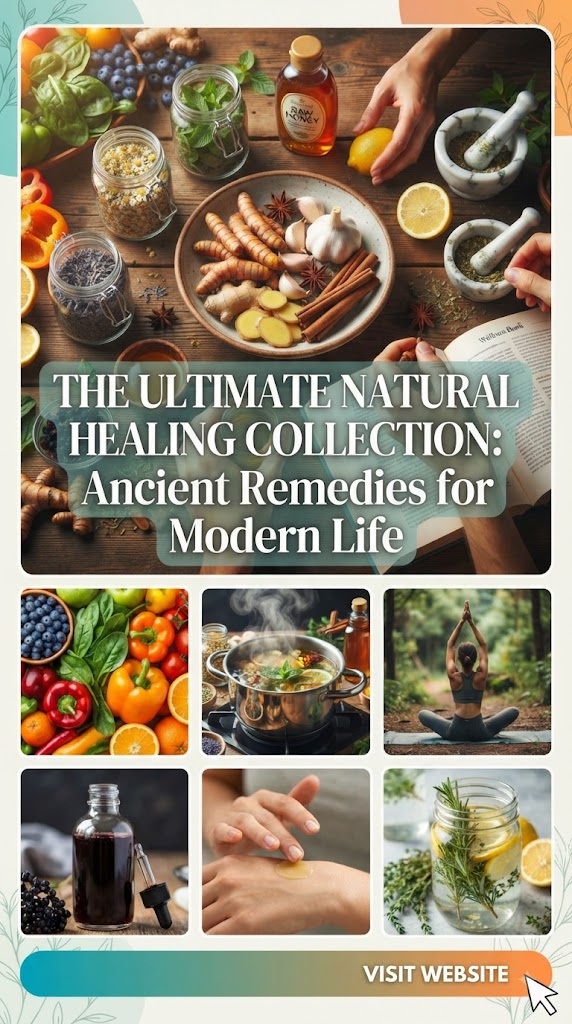
Natural ways to support your immune system
The Ultimate Guide to Natural Immune Support: Fortifying Your Body’s Internal Defense
In an era where health has become our most precious commodity, the quest to support our immune system has moved from the fringes of alternative medicine to the forefront of global consciousness. But “boosting” the immune system is a bit of a misnomer. What we truly seek is immunomodulation—a state of balance where the immune system is vigilant enough to ward off pathogens but disciplined enough not to attack the body’s own tissues.
Your immune system is not a single organ; it is a complex, sprawling network of cells, tissues, and chemical messengers that function as a biological security detail. From the physical barrier of your skin to the microscopic killer T-cells circulating in your blood, your defense system is always “on.” However, modern life—characterized by chronic stress, processed foods, and sedentary habits—can dampen this response.
This comprehensive guide explores the multifaceted world of natural immune support, blending ancestral wisdom with modern nutritional science, and providing you with the literal tools (and recipes) to build a resilient internal environment.
Part I: The Biological Architecture of Immunity
Before we dive into elderberries and vitamin C, we must understand what we are supporting. The immune system is divided into two primary branches:
1. The Innate Immune System
This is your first line of defense. It includes physical barriers like your skin and mucous membranes, as well as generalist cells like neutrophils and macrophages. It responds rapidly to invaders but doesn’t “remember” them.
2. The Adaptive Immune System
This is the specialized forces. It involves B-cells (which create antibodies) and T-cells. This system takes longer to respond initially but creates a “memory” of the pathogen, allowing for a swift and targeted response if you are exposed to the same threat again.
Natural support aims to optimize both. We want a strong innate barrier and a smart, efficient adaptive memory.
Part II: The Nutritional Foundations of Resistance
The nutrients you consume are the raw materials for your immune cells. Without them, your body is like a factory trying to manufacture products without any raw parts.
1. Vitamin C: The Cellular Protector
Vitamin C is perhaps the most famous immune-supporting nutrient, and for good reason. It accumulates in phagocytic cells, such as neutrophils, and can enhance chemotaxis (the movement of cells toward a stimulus).
- Best Sources: Camu camu, acerola cherry, bell peppers, kiwi, strawberries, and broccoli.
- The Strategy: Instead of one massive dose, consume small amounts throughout the day, as vitamin C is water-soluble and has a short half-life in the blood.
2. Vitamin D: The Immune Modulator
Vitamin D acts more like a hormone than a vitamin. It is essential for the activation of T-cells. Without sufficient Vitamin D, your “killer cells” remain dormant.
- The Science: Vitamin D receptors are found on almost all immune cells. It helps reduce the “cytokine storm” by regulating the inflammatory response.
- Natural Source: Sunlight (UVB rays) is primary. In winter, look to fatty fish, egg yolks, and high-quality supplementation (D3 paired with K2).
3. Zinc: The Gatekeeper
Zinc is involved in over 300 enzymatic reactions. In the immune system, it is crucial for normal development and function of cells mediating innate immunity. Even a mild deficiency can impair macrophage and complement activity.
- Best Sources: Pumpkin seeds (pepitas), oysters, grass-fed beef, lentils, and chickpeas.
4. Quercetin: The Ionophore
Quercetin is a plant pigment (flavonoid) that acts as a “zinc ionophore.” This means it helps shuttle zinc into the center of the cell where it can stop viral replication.
- Best Sources: Red onions (especially the outer layers), apples, capers, and berries.
Part III: The Gut-Immune Connection
It is often cited that 70% to 80% of the immune system resides in the gut. This is known as the Gut-Associated Lymphoid Tissue (GALT). Your microbiome—the trillions of bacteria living in your intestines—communicates directly with your immune cells.
The Microbiome’s Role:
- Training: Bacteria teach the immune system to distinguish between “friend” and “foe.”
- Barrier Integrity: A healthy gut lining prevents “leaky gut,” where undigested food particles and toxins enter the bloodstream and cause systemic inflammation.
- Short-Chain Fatty Acids (SCFAs): When you eat fiber, your bacteria produce SCFAs like butyrate, which have potent anti-inflammatory effects.
How to Support It:
- Diversify Fiber: Aim for 30 different plant foods per week.
- Fermented Foods: Incorporate sauerkraut, kimchi, kefir, and miso.
- Avoid Antibiotic Overuse: Use antibiotics only when medically necessary, as they can decimate your “good” bacterial army.
Part IV: Lifestyle Pillars: The Invisible Medicine
You cannot out-supplement a lifestyle that is fundamentally draining your reserves.
1. Sleep: The Great Regenerator
During sleep, your body releases cytokines, proteins that help the immune system respond to threats. Chronic sleep deprivation reduces the production of these protective cytokines and lowers the number of infection-fighting antibodies.
- Target: 7–9 hours of quality sleep.
- Tip: Maintain a cool, dark room and avoid blue light (screens) two hours before bed.
2. Stress Management and Cortisol
Chronic stress keeps cortisol levels high. While cortisol is anti-inflammatory in short bursts, chronically high levels make the body “resistant” to its effects, leading to increased inflammation and a suppressed immune response.
- Practice: Box breathing (inhale 4, hold 4, exhale 4, hold 4) can instantly flip the switch from the sympathetic (fight or flight) to the parasympathetic (rest and digest) nervous system.
3. Movement and Lymphatic Drainage
The lymphatic system is the “sewage system” of the immune system, carrying waste and white blood cells throughout the body. Unlike the blood, which has the heart to pump it, the lymph relies on muscle contraction.
- Activity: Rebounding (jumping on a mini-trampoline), walking, or yoga are excellent for moving lymph.
Part V: Nature’s Pharmacy: Potent Herbs and Botanicals
For millennia, humans have turned to the plant kingdom to fortify their health. Modern science is now validating what our ancestors knew instinctively.
1. Elderberry (Sambucus nigra)
Elderberries are packed with anthocyanins. Studies have suggested that elderberry can shorten the duration of cold and flu symptoms by preventing viruses from entering host cells.
2. Astragalus (Astragalus membranaceus)
A staple in Traditional Chinese Medicine (TCM), Astragalus is an adaptogen. It helps the body deal with stress while specifically increasing the count of white blood cells. It is best used for prevention rather than during an acute illness.
3. Medicinal Mushrooms
Mushrooms like Reishi, Chaga, Turkey Tail, and Lion’s Mane contain beta-glucans. These are complex sugars that “prime” the immune system, keeping it in a state of high readiness without overstimulating it.
Part VI: Master Recipes for Immune Resilience
Here are five detailed, “kitchen-pharmacy” recipes designed to provide the nutrients and compounds discussed above.
Recipe 1: The Traditional “Fire Cider”
Fire cider is a spicy, pungent apple cider vinegar infusion popularized by herbalist Rosemary Gladstar. It is a potent circulatory stimulant and antimicrobial tonic.
Ingredients:
- 1/2 cup fresh grated ginger root
- 1/2 cup fresh grated horseradish root
- 1 medium white onion, chopped
- 10 cloves of garlic, crushed
- 2 organic jalapeño peppers, sliced
- Zest and juice of 1 lemon
- 1 tbsp turmeric powder (or 2 tbsp fresh grated)
- 1/2 tsp cayenne pepper
- Raw, unfiltered Apple Cider Vinegar (with “The Mother”)
- Raw honey (to taste)
Instructions:
- Place all ingredients except the honey and ACV into a quart-sized glass jar.
- Pour the ACV over the ingredients until they are completely submerged and the jar is nearly full.
- Use a piece of parchment paper under the lid to prevent the vinegar from corroding the metal.
- Store in a dark, cool place for 4 to 6 weeks, shaking the jar daily.
- After 6 weeks, strain the liquid through a cheesecloth into a clean jar. Squeeze the cloth well to get every drop.
- Add raw honey to the liquid until it reaches your desired balance of spicy/sweet.
- Usage: Take 1 tablespoon daily as a tonic, or up to 3 times daily if you feel “under the weather.”
Recipe 2: High-Potency Elderberry Syrup
Homemade elderberry syrup is more cost-effective and often more potent than store-bought versions.
Ingredients:
- 1 cup dried organic black elderberries (Sambucus nigra)
- 4 cups filtered water
- 2 tbsp fresh ginger root, sliced
- 1 cinnamon stick
- 1/2 tsp whole cloves
- 1 cup raw local honey (local honey provides additional pollen-related immune benefits)
Instructions:
- Combine the berries, water, ginger, cinnamon, and cloves in a medium saucepan.
- Bring to a boil, then cover and reduce to a simmer.
- Simmer for about 45 minutes to 1 hour, or until the liquid has reduced by half.
- Remove from heat and let it cool until it is just warm to the touch.
- Mash the berries using a spoon or potato masher.
- Strain the mixture through a fine-mesh strainer or cheesecloth into a glass bowl.
- Add the raw honey and stir until well combined. (Do not add honey to boiling liquid, as it destroys the beneficial enzymes).
- Pour into a glass jar and store in the refrigerator.
- Usage: 1 tablespoon daily for adults; 1 teaspoon daily for children. During illness, take every 3–4 hours.
Recipe 3: Anti-Inflammatory “Golden Milk” Latte
This beverage utilizes the power of curcumin (from turmeric) and healthy fats to soothe the gut and reduce systemic inflammation.
Ingredients:
- 2 cups unsweetened almond or coconut milk
- 1 tsp turmeric powder
- 1/2 tsp cinnamon
- 1/4 tsp ginger powder
- A pinch of black pepper (CRITICAL: Piperine in pepper increases curcumin absorption by 2,000%)
- 1 tsp coconut oil or ghee (fats aid absorption)
- 1 tsp raw honey or maple syrup
Instructions:
- In a small saucepan, whisk together the milk, turmeric, cinnamon, ginger, and black pepper.
- Heat over medium-low heat until steaming, but do not let it reach a rolling boil.
- Whisk in the coconut oil/ghee until melted.
- Remove from heat, let it cool slightly, and stir in your sweetener.
- Usage: Enjoy nightly to lower inflammation and support relaxation.
Recipe 4: Mineral-Rich Immune Bone Broth
Bone broth is rich in amino acids like glycine and glutamine, which “seal” the gut lining and support the production of glutathione, the body’s master antioxidant.
Ingredients:
- 2–3 lbs of grass-fed beef bones or organic chicken carcass
- 2 tbsp Apple Cider Vinegar (to pull minerals from the bones)
- 2 carrots, chopped
- 2 celery stalks, chopped
- 1 onion, halved
- 4 cloves garlic, smashed
- 1 tbsp sea salt
- 1 tsp peppercorns
- Handful of fresh parsley (added at the end)
Instructions:
- If using beef bones, roast them at 400°F (200°C) for 20 minutes for better flavor.
- Place bones in a large slow cooker or stockpot.
- Add the vinegar and enough water to cover the bones by 2 inches.
- Let sit for 30 minutes (the “soak” phase).
- Add vegetables and spices.
- Bring to a low simmer. For chicken, simmer for 12–24 hours. For beef, simmer for 24–48 hours.
- In the last 10 minutes, add the parsley.
- Strain through a fine-mesh sieve.
- Once cooled, the broth should be “jiggly” (gelatinous), indicating high collagen content.
- Usage: Sip a mug daily or use as a base for soups.
Recipe 5: Probiotic Garlic-Ginger Sauerkraut
This fermented food provides both the probiotics (bacteria) and the prebiotics (garlic/ginger) to fuel them.
Ingredients:
- 1 medium head of green cabbage
- 1 tbsp sea salt (ensure it is non-iodized)
- 1 tbsp fresh grated ginger
- 3 cloves garlic, minced
- 1 tsp caraway seeds (optional)
Instructions:
- Remove the outer leaves of the cabbage and set them aside. Core and finely shred the rest of the cabbage.
- In a large bowl, mix cabbage with salt, ginger, and garlic.
- Massage the cabbage with your hands for about 10 minutes. This breaks down the cellular structure and releases the “brine” (the cabbage juice).
- Pack the cabbage tightly into a clean glass mason jar. Use a weight or a wooden spoon to press it down until the brine rises above the cabbage.
- Take the reserved outer cabbage leaves, fold them, and place them on top of the shredded cabbage to keep it submerged.
- Cover the jar with a cloth and a rubber band (or use a fermentation lid).
- Let it sit at room temperature, out of direct sunlight, for 7 to 14 days.
- Taste it after day 7. When it is tangy and crunchy, move it to the refrigerator.
- Usage: Eat 1–2 forks full with every meal to populate your gut with beneficial flora.
Part VII: Biohacking the Immune System: Advanced Strategies
Beyond food and herbs, we can use environmental stressors to “toughen” the immune system—a process known as hormesis.
1. Cold Exposure
Brief exposure to cold (cold showers or ice baths) increases the production of norepinephrine and stimulates the production of leukocytes (white blood cells).
- Method: End your warm shower with 30–60 seconds of pure cold water. Focus on deep, calm breathing.
2. Sauna and Heat Therapy
Heat stress induces “heat shock proteins,” which help protect the structure of cells and improve the “surveillance” capabilities of the immune system. Regular sauna use has been linked to a reduced risk of respiratory infections.
3. Intermittent Fasting
Fasting for 16–24 hours triggers autophagy—the body’s way of cleaning out damaged cells and regenerating new, healthy ones. Long-term fasting (under medical supervision) has even been shown to “reboot” the entire immune system by forcing the body to recycle old white blood cells.
Part VIII: Seasonal Immune Strategies
The immune system’s needs change with the seasons.
The Winter Strategy:
- Focus: Vitamin D and moisture.
- The dry air of winter dries out mucous membranes, making it easier for viruses to latch on. Use a humidifier and stay hydrated with warm herbal teas.
- Increase intake of warming spices like cinnamon, cloves, and ginger to boost circulation.
The Spring/Summer Strategy:
- Focus: Detoxification and allergy management.
- Support the liver with bitter greens (dandelion, arugula) to help clear out seasonal histamines.
- Utilize local honey and stinging nettle tea to desensitize the body to local pollens.
Part IX: Common Pitfalls to Avoid
In our quest for health, we often fall into traps that actually hinder our progress.
- The Sugar Trap: Sugar competes with Vitamin C for entry into the cells. High blood sugar “stuns” white blood cells, making them significantly less effective for several hours after consumption.
- The “More is Better” Supplement Fallacy: Taking massive doses of isolated nutrients (like zinc) for too long can cause imbalances (like copper deficiency). Always aim for food-first, and use supplements strategically.
- Ignoring Dental Health: Your mouth is the gateway to your body. Chronic gum inflammation or hidden infections in the jaw can keep your immune system in a state of permanent “distraction,” leaving you vulnerable to other threats.
Part X: Conclusion: Consistency Over Intensity
Supporting your immune system naturally is not about a weekend “cleanse” or taking a handful of pills when you feel a tickle in your throat. It is a lifelong commitment to listening to your body’s signals.
The most powerful immune-supporting “hack” is consistency. It is the daily walk, the nightly 8 hours of sleep, the morning glass of water, and the inclusion of fermented foods at lunch. By nourishing your “biological terrain,” you create an environment where health thrives and pathogens find it difficult to gain a foothold.
Build your kitchen pharmacy, respect your need for rest, and trust in the profound wisdom of your body’s natural defenses. You are not a passive observer of your health; you are its primary architect.
SEO Summary and Keywords
- Primary Keywords: Natural immune support, immune system health, how to boost immune system naturally.
- Secondary Keywords: Fire cider recipe, elderberry syrup DIY, gut health and immunity, vitamin D for immune system, herbal remedies for colds, anti-inflammatory golden milk.
- Target Audience: Health-conscious individuals, fans of herbal medicine, people looking for holistic wellness strategies.
- Search Intent: Informational and “How-to” guide for long-term health maintenance.