
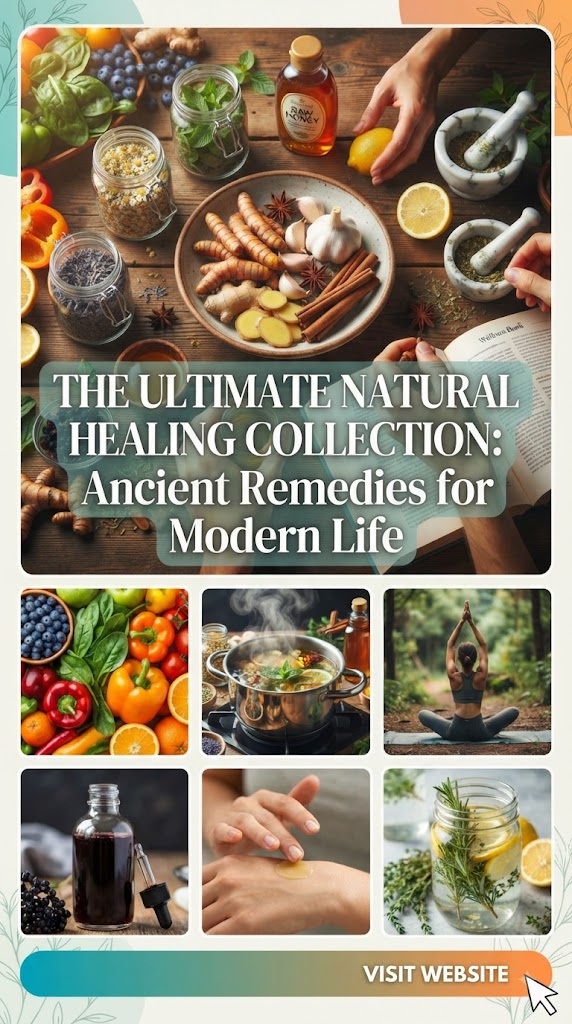
The Best Natural Healing Collection
Introduction
Have you ever found yourself standing in the pharmacy aisle, staring at shelves full of over-the-counter medications, wondering if there’s a gentler way to address your everyday health concerns? You’re not alone. According to the National Center for Complementary and Integrative Health, more than 70% of adults in the United States already turn to natural remedies to manage stress, sleep problems, or digestive issues.
The growing interest in natural wellness has sparked a renewed appreciation for The Best Natural Healing Collection—a thoughtfully curated assortment of herbal remedies, teas, tinctures, and tonics designed to support the body’s innate ability to restore balance. These aren’t about replacing modern medicine; they’re about expanding your toolkit with gentle, time-tested options that work with your body, not against it.
Whether you’re dealing with restless nights, everyday stress, seasonal immune dips, or occasional digestive discomfort, a well-stocked natural healing collection offers practical solutions you can prepare right in your own kitchen. Think of it as your personal home apothecary—a go-to resource for when life throws those small but nagging health challenges your way.
In this comprehensive guide, we’ll walk you through everything you need to know about building and using a natural healing collection: from the key ingredients and step-by-step preparation methods to potential benefits, safety precautions, and practical tips for getting the most out of your remedies.
What Is The Best Natural Healing Collection?
The Best Natural Healing Collection refers to a carefully selected group of herbal remedies, recipes, and wellness protocols that address common, everyday health concerns using natural ingredients. It’s not a single product or a one-size-fits-all solution—rather, it’s a holistic approach to wellness that empowers you to take charge of your health using ingredients that have been valued for generations.
This collection typically includes:
-
Herbal teas and infusions for calming the nervous system, supporting digestion, and boosting immunity
-
Tinctures—concentrated liquid extracts that preserve the active compounds of herbs
-
Syrups for soothing sore throats and supporting respiratory health
-
Infused oils and salves for topical application to skin and muscles
-
Tonics and broths for internal nourishment and detoxification support
What makes this collection stand out is its practicality. The ingredients are commonly available across the United States—many can be found in your local grocery store, farmers’ market, or health food shop. The preparation methods are kitchen-friendly, requiring no special equipment beyond what you already own.
The philosophy behind a natural healing collection is simple: support the body, don’t override it. These remedies work alongside your body’s natural processes, providing the nutrients, compounds, and gentle stimulation that help restore balance when you’re feeling off-kilter.
Key Ingredients
A well-rounded natural healing collection draws from a foundation of versatile, evidence-backed herbs and pantry staples. Here are the essential ingredients you’ll want to include, along with recommended quantities and their primary roles.
1. Chamomile (Matricaria recutita)
Recommended amount: 1–2 tablespoons of dried flowers per cup of tea; or 1–2 teaspoons of tincture (1:5 extract) as needed.
Purpose: Chamomile is one of the most beloved herbs in natural wellness, and for good reason. It’s traditionally used to promote relaxation, support restful sleep, and soothe occasional digestive discomfort. The gentle, apple-like flavor makes it an easy entry point for beginners exploring herbal remedies.
2. Peppermint (Mentha piperita)
Recommended amount: 1 tablespoon of dried leaves per cup of tea; 1–2 mL of tincture as needed.
Purpose: Peppermint is a workhorse in any natural healing collection. It’s traditionally used to support healthy digestion, relieve occasional gas and bloating, and provide a refreshing lift when energy flags. The menthol content also makes it useful for respiratory comfort.
3. Elderberry (Sambucus nigra)
Recommended amount: 3–5 grams of dried berries per cup of tea; or 1–2 teaspoons of syrup daily during cold and flu season.
Purpose: Elderberry has a long history of traditional use for immune support. Research suggests it may help reduce the duration and severity of seasonal upper respiratory symptoms when taken at the first sign of trouble. The deep purple berries are rich in antioxidants that support overall wellness.
4. Ginger (Zingiber officinale)
Recommended amount: 1–2 teaspoons of fresh grated root per cup of tea; or ½ teaspoon of dried powder in recipes.
Purpose: Ginger is a warming, stimulating herb traditionally used to support digestive health, ease occasional nausea, and reduce everyday inflammation. Its active compounds—gingerols and shogaols—have been studied for their potential to support joint comfort and healthy circulation.
5. Lemon Balm (Melissa officinalis)
Recommended amount: 1–2 tablespoons of dried leaves per cup of tea; or 2–3 mL of tincture as needed.
Purpose: Lemon balm is a gentle nervine herb—meaning it supports the nervous system. It’s traditionally used to calm anxious moods, promote restful sleep, and ease occasional digestive upset linked to stress. The bright, lemony scent is naturally uplifting.
6. Lavender (Lavandula angustifolia)
Recommended amount: 1 teaspoon of dried flowers per cup of tea; or 3–5 drops of essential oil in a diffuser or bath.
Purpose: Lavender is widely recognized for its calming properties. It’s traditionally used to reduce stress, support sleep quality, and soothe occasional headaches. The essential oil can also be diluted and applied topically for minor skin irritations.
7. Calendula (Calendula officinalis)
Recommended amount: 1–2 tablespoons of dried flowers per cup of tea; or infused into oil for topical salves.
Purpose: Calendula is a skin-supporting herb traditionally used in topical preparations for minor cuts, scrapes, and skin irritations. Its gentle, soothing properties make it a staple in natural first aid kits.
8. Apple Cider Vinegar (with “the mother”)
Recommended amount: 1–2 tablespoons diluted in a glass of water.
Purpose: Apple cider vinegar is a versatile pantry staple used in natural wellness collections for digestive support and as a base for herbal infusions. The beneficial bacteria and enzymes in raw, unfiltered vinegar support overall gut health.
9. Raw Honey
Recommended amount: 1–2 teaspoons as a sweetener or base for syrups.
Purpose: Raw honey isn’t just a natural sweetener—it has traditional uses for soothing sore throats and supporting immune function. It also acts as a natural preservative in herbal syrups.
10. Castor Oil
Recommended amount: As needed for topical application in elixirs and packs.
Purpose: Castor oil has a long history of traditional use in natural wellness routines. It’s often used topically to support lymphatic health, soothe tired muscles, and promote relaxation when applied as a warm pack.
How to Make The Best Natural Healing Collection
Building your natural healing collection is a rewarding process that doesn’t require a chemistry degree or expensive equipment. Most preparations use simple techniques that have been passed down through generations.
Basic Herbal Tea (Infusion)
Preparation time: 10–15 minutes
What you’ll need:
-
1–2 tablespoons of dried herbs (or 2–3 tablespoons of fresh herbs)
-
8 ounces of freshly boiled water
-
A teapot, French press, or heatproof mug with a lid
-
A strainer
Step-by-step instructions:
-
Measure your herbs into your teapot or mug.
-
Boil fresh water—filtered water is best for optimal flavor and extraction.
-
Pour the boiling water over the herbs.
-
Cover and steep for 5–15 minutes, depending on the herb. Leaves and flowers generally need 5–10 minutes; roots and seeds may need 10–15 minutes.
-
Strain and enjoy. Sweeten with raw honey if desired.
Storage: Fresh tea is best consumed immediately. Leftover tea can be refrigerated for up to 24 hours.
Simple Herbal Tincture
Preparation time: 10 minutes active; 4–6 weeks steeping
What you’ll need:
-
Dried or fresh herbs (fill a jar about ⅔ full)
-
High-proof vodka or brandy (80–100 proof)
-
A glass jar with a tight-fitting lid
-
Cheesecloth or a fine strainer
-
Dark glass dropper bottles for storage
Step-by-step instructions:
-
Fill your glass jar about ⅔ full with your chosen herbs.
-
Pour alcohol over the herbs until they are completely covered, leaving about an inch of headspace.
-
Secure the lid and give it a good shake.
-
Store in a cool, dark place for 4–6 weeks, shaking gently every few days.
-
Strain the liquid through cheesecloth, squeezing out as much liquid as possible.
-
Transfer to dark glass dropper bottles for storage.
Shelf life: Tinctures can last for several years when stored properly in a cool, dark place.
Soothing Herbal Syrup
Preparation time: 30–40 minutes
What you’ll need:
-
2 cups of strong herbal tea (made from ½ cup dried herbs steeped in 2 cups boiling water)
-
1 cup of raw honey (or 2 cups of sugar)
-
A saucepan
-
A glass bottle or jar for storage
Step-by-step instructions:
-
Make a strong herbal tea by steeping ½ cup of dried herbs in 2 cups of boiling water for 15–20 minutes.
-
Strain the tea and pour it into a saucepan.
-
Add honey (or sugar) and warm over low heat, stirring until fully dissolved. Do not boil honey, as this destroys beneficial enzymes.
-
Simmer gently for 10–15 minutes until the syrup thickens slightly.
-
Pour into a sterilized glass bottle and seal.
Shelf life: Refrigerate and use within 2–3 months.
Herbal-Infused Oil (for Salves)
Preparation time: 10 minutes active; 4–6 weeks infusion
What you’ll need:
-
Dried herbs (fill a jar about ½ full)
-
Olive oil, jojoba oil, or coconut oil
-
A glass jar with a tight-fitting lid
-
Cheesecloth for straining
Step-by-step instructions:
-
Fill your jar halfway with dried herbs.
-
Pour oil over the herbs until they are completely submerged.
-
Seal and place in a sunny windowsill for 4–6 weeks, shaking daily.
-
Strain through cheesecloth into a clean jar.
-
Store in a cool, dark place.
Shelf life: Properly stored infused oils last 6–12 months.
How to Use The Best Natural Healing Collection
Knowing how to use your remedies is just as important as knowing how to make them. Here’s a practical guide to using your natural healing collection effectively.
For Stress and Anxious Moods
Remedy: Chamomile tea, lemon balm tea, or lavender infusion
How to use: Drink 1 cup of tea in the evening or whenever you need to unwind. For acute stress, lemon balm tincture (1–2 mL) can be taken as needed.
When: Use as part of your evening wind-down routine or during particularly stressful periods.
For Better Sleep
Remedy: Chamomile tea, lavender tea, or a combination blend
How to use: Enjoy 1 cup of tea about 30–60 minutes before bedtime. For extra support, add a few drops of lavender essential oil to a diffuser in your bedroom.
When: Incorporate into your nightly routine consistently for best results.
For Digestive Discomfort
Remedy: Peppermint tea, ginger tea, or a combination
How to use: Drink 1 cup of tea after meals or whenever you experience occasional gas, bloating, or indigestion.
When: Use as needed for occasional digestive upset.
For Immune Support
Remedy: Elderberry syrup, echinacea tea, or ginger tea
How to use: Take 1–2 teaspoons of elderberry syrup daily during cold and flu season, or at the first sign of seasonal symptoms.
When: Use preventatively during high-risk seasons or at the onset of symptoms.
Topical Applications
Remedy: Calendula-infused oil or salve
How to use: Apply a small amount to minor cuts, scrapes, or dry skin patches as needed.
When: Use topically as needed for minor skin concerns.
Potential Benefits
The ingredients in a natural healing collection offer a range of potential benefits. It’s important to distinguish between traditional use, anecdotal claims, and what scientific research actually supports.
May Support Relaxation and Stress Relief
Chamomile, lemon balm, and lavender are all traditionally used as gentle nervine herbs—herbs that support the nervous system. Scientific research suggests that chamomile may have mild calming effects, and some studies have explored its potential to support relaxation. However, it’s not a substitute for professional mental health care.
May Promote Restful Sleep
The combination of chamomile, lavender, and lemon balm has a long traditional history for supporting sleep quality. Research suggests that these herbs may help promote relaxation, which can be beneficial for those who have trouble winding down at night. Results vary from person to person.
May Support Digestive Health
Peppermint and ginger are widely recognized for their traditional use in supporting digestive comfort. Scientific research has explored peppermint’s potential to support healthy digestion and ginger’s traditional use for occasional nausea. These herbs may help ease occasional gas, bloating, and indigestion.
May Support Immune Function
Elderberry has been the subject of several studies exploring its potential to support immune health. Some research suggests that elderberry may help reduce the duration of seasonal upper respiratory symptoms when taken at the first sign of illness. However, more research is needed, and elderberry should not replace standard medical care.
May Support Skin Health
Calendula has a long traditional history of topical use for minor skin irritations, cuts, and scrapes. Some research supports its traditional use for soothing minor skin concerns, but it’s not a treatment for serious skin conditions.
Important note: While these benefits are promising, natural remedies are complementary—not replacements—for professional medical care. Always consult a healthcare provider for persistent, severe, or concerning symptoms.
Why These Ingredients May Work
Understanding why these ingredients are used in natural healing collections helps build trust in their traditional applications.
The Science Behind the Herbs
Chamomile contains apigenin, a flavonoid that binds to certain receptors in the brain, potentially promoting relaxation. This is why chamomile tea has been a bedtime staple for generations.
Peppermint contains menthol, which has a cooling effect that can help soothe digestive muscles. This is why peppermint tea is traditionally used after meals to support digestion.
Ginger contains gingerols and shogaols—bioactive compounds that have been studied for their potential anti-inflammatory properties. This is why ginger is traditionally used for joint comfort and digestive support.
Elderberry is rich in anthocyanins—powerful antioxidants that support immune function. This is why elderberry syrup has become a popular choice during cold and flu season.
Lemon balm contains rosmarinic acid, which has been studied for its potential calming effects on the nervous system.
Calendula contains flavonoids and triterpenoids that may support skin healing when applied topically.
Evidence-Based Mechanisms
While much of the evidence for herbal remedies comes from traditional use and observational studies, modern research is increasingly validating these ancient practices. Many herbs contain compounds that interact with the body’s natural systems in ways that support overall wellness. However, it’s important to note that research is ongoing, and not all traditional uses have been rigorously studied.
Who May Benefit From This Remedy
A natural healing collection may be useful for a wide range of adults who are interested in supporting their overall wellness through gentle, natural means.
Adults Experiencing Everyday Stress
If you find yourself dealing with the normal ups and downs of daily life—work pressures, family responsibilities, or just the general busyness of modern living—herbal teas and tinctures may offer a calming ritual to help you unwind.
Those with Occasional Sleep Difficulties
If you occasionally have trouble falling asleep or staying asleep, a soothing bedtime tea might be a helpful addition to your wind-down routine.
Individuals with Occasional Digestive Discomfort
If you experience occasional gas, bloating, or indigestion after meals, peppermint or ginger tea may offer gentle support.
People Looking to Support Their Immune System
If you want to support your immune health during cold and flu season, elderberry syrup and immune-supporting teas may be useful additions to your wellness routine.
Anyone Interested in a More Natural Approach to Wellness
If you’re curious about natural remedies and want to expand your toolkit for everyday health concerns, building a natural healing collection is a practical and empowering step.
Possible Side Effects and Safety Precautions
Natural doesn’t always mean risk-free. It’s essential to use these remedies responsibly and be aware of potential side effects.
Common Side Effects
-
Chamomile: Generally well-tolerated. Rare allergic reactions may occur, especially in people allergic to ragweed, chrysanthemums, marigolds, or daisies.
-
Peppermint: May cause heartburn or acid reflux in some individuals, especially when consumed in large amounts.
-
Ginger: Generally safe but may cause mild heartburn or digestive discomfort in sensitive individuals at high doses.
-
Lemon balm: Generally well-tolerated. May cause drowsiness in some people.
-
Lavender: Generally safe when used in culinary amounts. Essential oils should always be diluted before topical application.
-
Elderberry: Raw or unripe elderberries are toxic and should never be consumed. Only use commercially prepared or properly cooked elderberry products.
Important Precautions
-
Start with small amounts to test your tolerance.
-
Use high-quality ingredients from reputable sources.
-
Follow recommended dosages—more is not better.
-
Be aware of potential interactions with medications (see below).
-
Discontinue use if you experience any adverse reactions.
Who Should Avoid It
Certain individuals should exercise caution or avoid specific herbs altogether.
Pregnancy and Breastfeeding
Many herbs are not recommended during pregnancy or breastfeeding due to limited safety data. Always consult your healthcare provider before using any herbal remedy if you are pregnant, trying to conceive, or nursing.
Allergies
If you have known allergies to plants in the Asteraceae family (ragweed, chrysanthemums, marigolds, daisies), you may be at higher risk for allergic reactions to chamomile and calendula.
Medication Interactions
-
Chamomile may interact with blood-thinning medications (warfarin) and sedatives.
-
Peppermint may interact with medications for acid reflux and certain liver conditions.
-
Ginger may interact with blood-thinning medications and diabetes medications.
-
Lemon balm may interact with sedatives and thyroid medications.
-
Elderberry may interact with immunosuppressant medications.
Chronic Medical Conditions
If you have a chronic medical condition, are taking prescription medications, or have any concerns about your health, always consult your healthcare provider before using herbal remedies.
How Long Does It Take to See Results?
The timeline for experiencing benefits from natural remedies varies widely depending on the individual, the specific remedy, and the condition being addressed.
Teas and Infusions
Onset: 30 minutes to 2 hours
Duration: Effects typically last a few hours
Herbal teas generally provide relatively quick, short-term support. A cup of chamomile tea before bed may help you feel relaxed within an hour. Peppermint tea after a meal may help ease digestive discomfort within 30–60 minutes.
Tinctures
Onset: 15–45 minutes
Duration: Effects may last several hours
Tinctures are absorbed more quickly than teas because the alcohol extracts the active compounds and facilitates faster absorption. They’re a good choice when you need more immediate support.
Syrups
Onset: 30 minutes to 2 hours
Duration: Effects may last several hours
Syrups are similar to teas in terms of onset and duration but offer the added benefit of honey’s soothing properties.
Consistent Use
For ongoing support—such as immune health during cold and flu season or stress management—consistent daily use is typically recommended. Many people notice benefits within a few days to a week of regular use.
Realistic expectation: Natural remedies work gently and gradually. They are not instant cures. Results vary from person to person, and consistency is key.
Tips for Best Results
Getting the most out of your natural healing collection is about more than just the remedies themselves—it’s about creating a holistic approach to wellness.
1. Be Consistent
Natural remedies work best when used consistently over time. Incorporate them into your daily routine rather than reaching for them only when you’re already feeling unwell.
2. Pair with a Healthy Lifestyle
Remedies work best when combined with good sleep, a balanced diet, regular physical activity, and stress management practices. Think of them as supporting a healthy lifestyle, not replacing it.
3. Listen to Your Body
Pay attention to how your body responds. What works for one person may not work for another. Adjust your approach based on your individual experience.
4. Use High-Quality Ingredients
The quality of your ingredients matters. Choose organic herbs when possible, and source them from reputable suppliers. Fresh, high-quality ingredients contain more of the active compounds that make these remedies effective.
5. Store Properly
Store dried herbs in airtight containers away from light, heat, and moisture. Tinctures should be kept in dark glass bottles in a cool place. Proper storage extends shelf life and maintains potency.
6. Keep a Wellness Journal
Track which remedies you use, when you use them, and how you feel. This can help you identify what works best for your unique body and circumstances.
Common Mistakes to Avoid
1. Using Too Much
More is not better when it comes to herbal remedies. Using excessive amounts can increase the risk of side effects without providing additional benefits. Always follow recommended dosages.
2. Expecting Instant Results
Natural remedies work gently and gradually. They are not a quick fix. Give them time to work, and be patient with the process.
3. Using Low-Quality Ingredients
Not all herbs are created equal. Old, poorly stored, or contaminated herbs may be ineffective or even harmful. Invest in quality ingredients from reputable sources.
4. Ignoring Medication Interactions
Herbs can interact with prescription medications. Always check for potential interactions and consult your healthcare provider if you’re taking any medications.
5. Using Herbs as a Substitute for Medical Care
Natural remedies are complementary—not replacements—for professional medical care. Seek medical attention for persistent, severe, or concerning symptoms.
6. Overlooking Allergies
If you have known allergies, research potential cross-reactivity before trying new herbs. For example, if you’re allergic to ragweed, you may also react to chamomile.
7. Improper Storage
Storing herbs in direct sunlight, heat, or moisture can degrade their active compounds. Always store your remedies properly to maintain their effectiveness.
Frequently Asked Questions (FAQs)
1. What is The Best Natural Healing Collection and how does it work?
The Best Natural Healing Collection is a curated group of herbal remedies—including teas, tinctures, syrups, and infused oils—designed to support everyday wellness. These remedies work by providing the body with beneficial plant compounds that support natural processes like relaxation, digestion, and immune function. They’re not cures, but gentle supports for overall health.
2. What ingredients should I include in my natural healing collection?
Essential ingredients for a well-rounded collection include chamomile, peppermint, elderberry, ginger, lemon balm, lavender, calendula, apple cider vinegar, raw honey, and castor oil. These herbs and pantry staples address a wide range of common concerns, from stress and sleep to digestion and immune support.
3. How do I make herbal teas and tinctures at home?
To make herbal tea, steep 1–2 tablespoons of dried herbs in 8 ounces of boiling water for 5–15 minutes, then strain. To make a tincture, fill a jar ⅔ full with herbs, cover with high-proof alcohol, and steep for 4–6 weeks, shaking daily. Strain and store in dark glass bottles.
4. Can I use natural remedies while taking prescription medications?
Some herbs can interact with prescription medications. For example, chamomile and ginger may interact with blood thinners, and lemon balm may interact with sedatives. Always consult your healthcare provider before using herbal remedies if you’re taking any medications.
5. Are these remedies safe for pregnant or breastfeeding women?
Many herbs are not recommended during pregnancy or breastfeeding due to limited safety data. Always consult your healthcare provider before using any herbal remedy if you are pregnant, trying to conceive, or nursing.
6. How long do homemade herbal remedies last?
Tinctures can last several years when stored properly in a cool, dark place. Herbal syrups should be refrigerated and used within 2–3 months. Infused oils last 6–12 months. Dried herbs typically maintain potency for 1–2 years when stored in airtight containers away from light and heat.
7. What’s the difference between a tea, a tincture, and a syrup?
Teas are water-based infusions that are quick and easy to make—best for immediate, short-term support. Tinctures are alcohol-based extracts that are more concentrated and have a longer shelf life—best for ongoing use. Syrups are sweetened herbal extracts that are especially useful for soothing sore throats and are more palatable for children.
8. How quickly can I expect to feel results from natural remedies?
Results vary by individual and remedy. Teas and tinctures typically take effect within 30 minutes to 2 hours. For ongoing support like immune health or stress management, consistent daily use for several days to a week is often needed to notice benefits.
9. Can children use these natural remedies?
Some remedies—like chamomile tea and elderberry syrup—are commonly used for children in reduced doses. However, always consult a pediatrician before giving any herbal remedy to a child, and never exceed recommended children’s dosages.
10. Where can I buy quality herbs for my natural healing collection?
Quality herbs can be found at local health food stores, farmers’ markets, and reputable online retailers. Look for organic certifications, check for freshness, and read reviews to ensure you’re getting high-quality products.
Final Thoughts
Building The Best Natural Healing Collection is more than just assembling a shelf of herbs and bottles—it’s an investment in your health and a commitment to a more holistic approach to wellness. In a world where quick fixes and synthetic solutions often dominate, there’s something deeply grounding about turning to the wisdom of nature.
The remedies we’ve explored—chamomile for relaxation, peppermint for digestion, elderberry for immune support, and so many others—represent generations of traditional knowledge, increasingly supported by modern research. They’re not magic bullets, and they’re not replacements for professional medical care. But they are valuable tools that can help you navigate the everyday ups and downs of life with greater ease and resilience.
Remember: the journey with natural remedies is personal. What works for one person may not work for another. Start small, be patient, listen to your body, and always prioritize safety. And when in doubt? Consult a qualified healthcare professional who can help you navigate your unique health needs.
Whether you’re a complete beginner or someone looking to expand your existing collection, the world of natural healing offers endless opportunities for discovery and empowerment. Here’s to your health—naturally.