Trending DIY Remedies That Are Everywhere on Pinterest
The Pinterest Apothecary: A Deep Dive into Trending DIY Remedies
In the age of digital curation, Pinterest has evolved from a simple mood-boarding tool into a global encyclopedia of grassroots wellness. It is the modern-day “Old Wives’ Tale” repository, where ancient traditions meet aesthetic photography and viral trends. From the “Internal Shower” drink to the “Rosemary Water” hair growth revolution, DIY remedies have reclaimed their spot in our daily routines.
However, navigating the world of Pinterest remedies requires a blend of curiosity and caution. While some of these trends are backed by centuries of traditional medicine and emerging science, others are simply “aesthetic” myths. This comprehensive guide explores the most viral DIY remedies currently dominating Pinterest, the science behind them, and how to safely incorporate them into your life.
I. The Haircare Revolution: Liquid Gold and Herb-Infused Waters
If you browse the “Beauty” or “Self-Care” categories on Pinterest, you are guaranteed to find images of long, lustrous hair accompanied by sprigs of rosemary or bowls of cloudy rice water. Haircare has become the frontier of DIY, with users moving away from chemical-heavy store products toward botanical infusions.
1. Rosemary Oil and Water for Hair Growth
The “Rosemary Revolution” is perhaps the most significant DIY trend of the decade. It gained traction after several studies suggested that rosemary essential oil could be as effective as 2% minoxidil (a common hair growth medication) for treating androgenetic alopecia, with fewer side effects like scalp itching.
- The Pinterest Method: Users typically boil fresh rosemary sprigs in distilled water to create a “hair tea” or infuse dried rosemary into a carrier oil (like jojoba or almond oil) for several weeks.
- Why It Works: Rosemary stimulates blood circulation in the scalp and possesses anti-inflammatory properties that soothe the hair follicles.
- The Verdict: This is one of the few DIY remedies with legitimate scientific backing. However, consistency is key—most users don’t see results for three to six months.
2. The Ancient Art of Rice Water Rinses
Inspired by the Yao women of Huangluo Village in China—known for their floor-length, jet-black hair—rice water has become a Pinterest staple.
- The Pinterest Method: Soaking or fermenting the water used to wash rice. Some users add grapefruit peels or essential oils to mask the sour smell of fermentation.
- Why It Works: Rice water is rich in inositol, a carbohydrate that can penetrate damaged hair and repair it from the inside out. It also contains amino acids, vitamins B and E, and minerals.
- The Verdict: While it makes hair smoother and shinier, “protein overload” is a risk. Using it too frequently can make hair brittle, so it’s best used as a once-a-week treatment.
3. Scalp Slugging with Castor Oil
“Slugging” moved from the face to the scalp. This involves coating the scalp in a thick layer of oil—usually castor oil—and wrapping it in a silk scarf or plastic wrap overnight.
- Why It Works: Castor oil is high in ricinoleic acid, which helps lock in moisture and improve scalp health.
- Safety Tip: Castor oil is incredibly thick and can clog pores or cause “acute hair felting” in rare cases. It should always be diluted with a thinner carrier oil like coconut or argan oil.
II. The “Glass Skin” Kitchen: Edible Skincare
Pinterest skincare is all about the “glow.” The goal is “Glass Skin”—skin so clear and hydrated it looks like a pane of glass. To achieve this, DIYers are turning to their pantries.
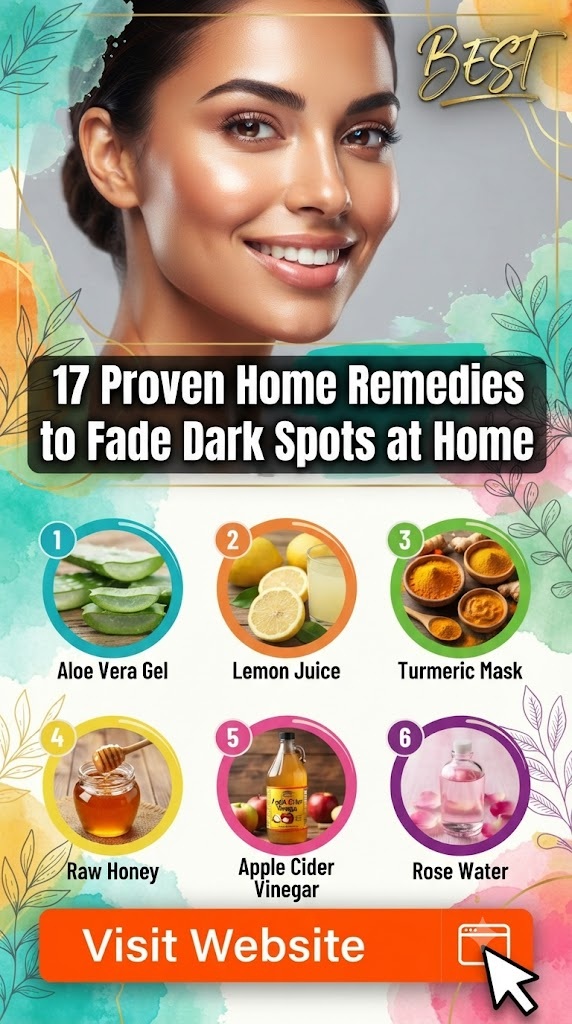
1. The Turmeric and Honey “Glow” Mask
Turmeric is the “it” ingredient for brightening. Its vibrant yellow color comes from curcumin, a powerful anti-inflammatory.
- The Recipe: A teaspoon of turmeric mixed with raw honey and a splash of Greek yogurt.
- The Benefits: It targets acne, reduces redness, and brightens hyperpigmentation.
- The Pinterest Catch: Turmeric stains everything. Users often forget to mention that if left on too long, you might end up with a yellowish tint on your skin. Pro-tip found on the platform: Use a splash of milk or an oil-based cleanser to remove the yellow residue.
2. Flaxseed “Botox”
The newest trend involves boiling flaxseeds until they create a thick, snot-like mucilage. When applied to the face and allowed to dry, it tightens the skin.
- The Hype: Viral pins claim it’s “nature’s Botox.”
- The Reality: While it doesn’t freeze muscles like Botox, flaxseeds are rich in omega-3 fatty acids and antioxidants. The tightening effect is temporary (mechanical), but the hydration benefits are real.
3. Coffee Scrubs for Cellulite
Used coffee grounds mixed with coconut oil and brown sugar are the ultimate Pinterest body scrub.
- The Science: Caffeine is a vasoconstrictor. When applied topically, it can temporarily tighten the skin and reduce the appearance of puffiness or cellulite by drawing out excess water.
- The Warning: Coffee grounds are jagged. Over-scrubbing can cause micro-tears in the skin. Use gentle, circular motions and avoid the face.
III. Gut Health and the “Internal Shower”
The “Wellness” side of Pinterest is currently obsessed with the microbiome. The mantra is: Better gut, better life.
1. The “Internal Shower” Drink
Popularized as a way to “reset” the digestive system, especially after travel or bloating.
- The Recipe: 2 tablespoons of chia seeds, the juice of half a lemon, and a cup of water. Let it sit until the seeds become gelatinous.
- Why It’s Trending: It’s high in fiber. Chia seeds can hold 12 times their weight in water, helping to “sweep” the digestive tract.
- Expert Advice: You must drink a massive amount of water alongside this. If you consume that much dry fiber without hydration, it can actually cause constipation rather than fixing it.
2. Apple Cider Vinegar (ACV) Gummies and Shots
ACV is the perennial king of DIY health. Pinterest claims it does everything from curing dandruff to melting belly fat.
- The Remedy: Taking a shot of diluted ACV before meals.
- The Science: There is some evidence that acetic acid can improve insulin sensitivity and slow down the rate at which food leaves the stomach.
- Safety Warning: Never drink it straight. The acidity can erode tooth enamel and burn the esophagus. Always dilute 1 tablespoon in at least 8 ounces of water.
3. Adrenal Cocktails
Unlike the name suggests, there’s no alcohol. This is a drink designed to “support the adrenal glands” during times of stress.
- The Recipe: Orange juice (Vitamin C), cream of tartar (Potassium), and sea salt (Sodium).
- The Logic: During the stress response, the body uses up these specific minerals. Replenishing them is thought to help balance cortisol levels.
IV. The Dental DIY: Whiter Teeth and Fresh Breath
Pinterest-worthy smiles often involve “natural” whitening methods, though this is the category where dental professionals are most vocal about safety.
1. Oil Pulling with Coconut Oil
An Ayurvedic practice that involves swishing oil in your mouth for 15–20 minutes.
- The Claim: It “pulls” toxins out of the body and whitens teeth.
- The Reality: While it doesn’t necessarily “pull toxins” from your bloodstream, it is effective at reducing oral bacteria and plaque. The whitening effect is usually subtle and comes from the removal of surface stains.
2. Activated Charcoal Whitening
Black paste for white teeth—the visual irony makes for perfect Pinterest content.
- The Risk: Charcoal is highly abrasive. While it removes stains quickly, it can also scrub away the enamel, which does not grow back. Most dentists recommend using it only once a month or avoiding it entirely in favor of gentler methods.
V. Sleep and Stress: The Magnesium Movement
With “Sleep Hygiene” becoming a massive search category, DIY remedies for insomnia and anxiety have skyrocketed.
1. DIY Magnesium Oil Spray
Magnesium is often called “the relaxation mineral.” Many people are deficient, leading to muscle cramps and poor sleep.
- The Recipe: Boiling distilled water mixed with magnesium chloride flakes.
- The Trend: Spraying it on the soles of the feet before bed.
- Why the Feet? Pinterest users swear that the skin on the feet is less sensitive (magnesium can itch or tingle) and absorbs the mineral efficiently. While transdermal absorption is debated by scientists, the anecdotal evidence for improved sleep is overwhelming.
2. Tart Cherry Juice “Sleep Mocktails”
This trend involves mixing tart cherry juice with magnesium powder and sparkling water.
- The Science: Tart cherries are a natural source of melatonin and tryptophan. Combined with the relaxing effects of magnesium, it’s a powerhouse for inducing sleepiness without the grogginess of synthetic aids.
3. Weighted Blanket Hacks
While not a “remedy” in a jar, DIY weighted blankets (filled with glass beads or dried beans) are a huge craft-meets-wellness trend. They utilize “Deep Pressure Touch” to calm the nervous system.
VI. The Non-Toxic Home: Cleaning with Chemistry
Pinterest has led the charge against “fragrance” and harsh chemicals in the home. The DIY cleaning movement relies on a few core ingredients.
1. The Vinegar and Citrus Infusion
To avoid the harsh smell of plain vinegar, users fill jars with orange or lemon peels and cover them with white vinegar for two weeks.
- The Result: A powerful, degreasing, all-purpose cleaner that smells like a citrus grove.
- Where to Use: Countertops (except stone), windows, and floors.
- Where NOT to Use: Never use vinegar on marble or granite, as the acid will etch the stone.
2. Rosemary and Eucalyptus Steam
Instead of synthetic air fresheners, Pinterest suggests “stovetop potpourri.”
- The Method: Simmering water with rosemary, sliced lemons, and vanilla extract.
- The Benefit: It humidifies the air while providing aromatherapy benefits, which can improve mood and respiratory clarity.
3. DIY Laundry “Scents”
Moving away from dryer sheets, users are making wool dryer balls scented with essential oils or “laundry crystals” made from Epsom salt and essential oils.
VII. The Ethics and Safety of Pinterest Remedies
While the “Do It Yourself” spirit is empowering, it’s vital to acknowledge the risks of “DIYing” your health.
1. The Patch Test Rule
Any DIY skincare remedy should be tested on a small patch of skin (usually the inner forearm) for 24 hours. Natural ingredients like lemon juice, cinnamon, and essential oils can cause severe allergic reactions or chemical burns.
2. Preservation Problems
Store-bought products contain preservatives to prevent mold and bacteria growth. DIY concoctions—especially those containing water (like rice water or flaxseed gel)—will spoil quickly.
- Rule of Thumb: If it’s a “wet” DIY, keep it in the fridge and discard it after 3–5 days.
3. Professional Consultation
Pinterest is a place for inspiration, not a replacement for a doctor. If you have chronic acne, hair loss, or digestive issues, these DIY remedies should be seen as supplemental care, not a primary cure.
VIII. Why We Are Obsessed: The Psychology of DIY
Why does a picture of a homemade ginger shot get 50,000 repins?
- Agency and Control: In an increasingly complex world, making your own medicine or beauty products provides a sense of autonomy.
- Sustainability: DIY remedies often use glass jars and bulk ingredients, appealing to the eco-conscious “Zero Waste” community.
- Aesthetic Aspirations: The “Cottagecore” and “Clean Girl” aesthetics thrive on the visual appeal of dried herbs, clear glass, and natural textures.
- Cost-Effectiveness: A bottle of high-end rosemary hair serum might cost $50, but a bunch of rosemary from the grocery store is $2.
IX. Detailed Recipes and Step-by-Step Guides
To fully embrace the Pinterest apothecary, one must master the basic techniques. Here are the expanded instructions for the most effective remedies.
The Ultimate Rosemary Hair Growth Infusion
- Harvesting: Use 3–5 sprigs of fresh rosemary. Bruise the leaves slightly with a mortar and pestle to release the oils.
- The Base: Add 2 cups of distilled water.
- The Simmer: Bring to a boil, then reduce heat and simmer for 15 minutes until the water turns a deep amber/reddish color.
- The Cooling: Let it cool completely.
- The Application: Pour into a spray bottle. Spray onto the scalp every night and massage for 5 minutes. Do not rinse out. Store in the fridge for up to a week.
The “Golden Milk” Nightcap
- Ingredients: 1 cup of almond or coconut milk, 1/2 tsp turmeric, 1/4 tsp cinnamon, a pinch of black pepper (essential for turmeric absorption), and 1 tsp honey.
- Preparation: Whisk ingredients in a small saucepan over medium heat until warm but not boiling.
- Benefits: This is a Pinterest favorite for reducing systemic inflammation and promoting a calm state before sleep.
X. Conclusion: The Future of Folk Medicine
The trending DIY remedies on Pinterest represent a collective return to nature. We are seeing a synthesis of modern convenience and ancient wisdom. While we must remain skeptical of “miracle cures,” the movement toward natural, transparent, and self-made products is a powerful shift in consumer behavior.
By understanding the science, respecting the ingredients, and practicing safety, you can transform your home into a sanctuary of wellness—one Pinterest pin at a time. Whether you’re swirling a spoonful of honey into a face mask or spraying magnesium on your feet, you’re participating in a global tradition of self-care that is as old as time, yet as fresh as your latest social media feed.